

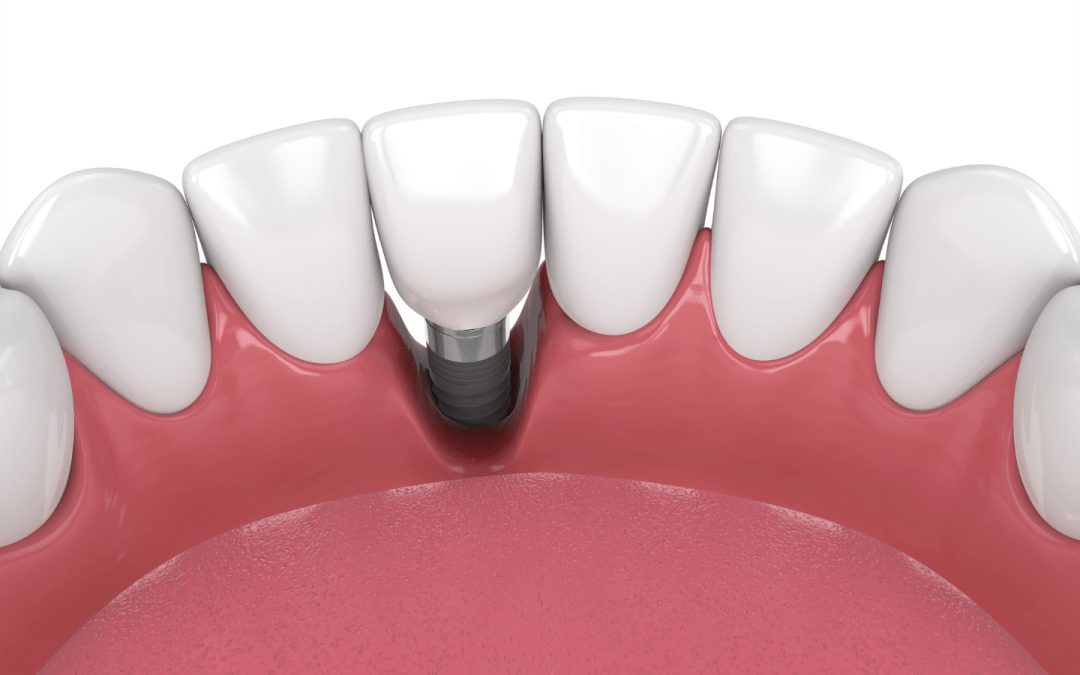
Dental implants have revolutionized restorative dentistry in SoHo, offering a permanent solution for missing teeth that looks and functions just like the real thing. However, like natural teeth, implants require a healthy foundation of bone and gum tissue to remain stable. When bacteria infiltrate the area surrounding an implant, it can lead to a condition known as peri-implantitis.
At Sunny Dental Care, we believe that education is the first line of defense. Understanding what this condition is and how it is treated can help you protect your investment and ensure your smile lasts a lifetime.
What is Peri-Implantitis?
Peri-implantitis is an inflammatory disease that affects the soft and hard tissues surrounding a dental implant. It is quite similar to gum disease or periodontitis that affects natural teeth. The process typically begins with peri-implant mucositis, which is a reversible inflammation of the gums around the implant. If left untreated, this inflammation can progress into peri-implantitis, where the infection begins to break down the bone supporting the implant.
Without a strong bone structure to hold it in place, the implant can become loose and may eventually fail. Because dental implants lack the natural ligament fibers that real teeth possess, infections can sometimes spread to the bone more rapidly than they do with natural teeth. This is why our team emphasizes early intervention at our SoHo office.
Learn more about our dental implants service here.
Recognizing the Warning Signs
Early detection is critical for saving an infected implant. While some cases of peri-implantitis are silent and only caught during a routine dental X-ray, many patients notice specific physical changes. Watch for these common symptoms:
- Redness and Swelling: The gum tissue around the implant appears puffy, dark red, or purple.
- Bleeding during Brushing: Gums that bleed easily when you brush or floss around the implant site.
- Pus Discharge: Visible suppuration or an unpleasant taste coming from the area.
- Receding Gums: The gum line begins to pull away, sometimes exposing the metal threads of the implant post.
- Dull Ache or Tenderness: While implants do not have nerves, the surrounding tissue can become quite painful when infected.
- Implant Mobility: If the implant feels like it is wiggling or shifting, bone loss may already be advanced.
How We Treat Infected Dental Implants?
The primary goal of treating peri-implantitis is to stop the infection and stabilize the bone level. Depending on the severity of the condition, Dr. Sunny may recommend several different approaches.
Non-Surgical Decontamination: In the early stages, we can often manage the infection through specialized deep cleaning. We use tools made of plastic or titanium to clear away plaque and tartar from the implant surface without scratching it. We may also use antimicrobial rinses or localized antibiotics to kill the remaining bacteria.
Laser Therapy: Sunny Dental Care utilizes advanced laser treatments that can target and destroy bacteria in deep gum pockets without damaging healthy tissue. Lasers are highly effective at decontaminating the microscopic surface of the implant, which is often difficult to reach with manual tools.
Surgical Intervention: If the infection has reached the bone, a surgical procedure may be necessary. During this process, the gum tissue is gently moved back to allow for a thorough cleaning of the implant surface. We then use bone grafting materials to help regenerate the lost bone and provide a more stable foundation for the post.
Explore our full list of restorative dental services here.
Preventing Implant Complications
The best way to treat peri-implantitis is to prevent it from ever starting. Maintaining your dental implants requires a commitment to a rigorous oral hygiene routine:
Master Your Home Care: Use an electric toothbrush and specialized implant-specific floss or a water flosser to clean the hard-to-reach areas where the implant meets the gum line.
Quit Smoking: Smoking is one of the highest risk factors for implant failure. It reduces blood flow to the gums and slows down the healing process, making it much easier for infections to take hold.
Routine Professional Cleanings: Even with perfect brushing, microscopic biofilm can build up. Regular professional checkups at our SoHo practice allow us to monitor your bone levels with digital X-rays and catch any signs of inflammation before they become serious.
Check out our guide on the benefits of regular professional cleanings here.
Frequently Asked Questions
Q: Is peri-implantitis common?
A: While the majority of dental implants are successful, studies suggest that a significant percentage of patients may develop some form of peri-implant inflammation over time. This highlights the importance of regular maintenance and professional monitoring.
Q: Can an infected implant always be saved?
A: If caught early during the mucositis stage, the success rate for treatment is very high. Once significant bone loss has occurred, saving the implant becomes more complex, but bone grafting and advanced cleaning techniques have helped many patients retain their restorations.
Q: Does treatment hurt?
A: We prioritize patient comfort. For non-surgical cleanings, topical numbing agents are usually sufficient. For surgical treatments, we use local anesthesia and can offer sedation options to ensure a painless experience at our SoHo dental office.
Conclusion
A dental implant is a significant investment in your quality of life, health, and confidence. While peri-implantitis is a serious condition, it is both manageable and preventable with the right care. If you notice any changes in the way your dental implants look or feel, do not wait for your next scheduled cleaning. Contact Sunny Dental Care in SoHo today for a comprehensive evaluation. By acting quickly, we can clear the infection and ensure your smile remains strong for years to come.
Ready to protect your smile? Contact Sunny Dental Care in SoHo today to schedule your consultation.
Recent Comments