

Starting orthodontic treatment is a big commitment, and for many patients, preferences can change along the way. Some people begin treatment with traditional braces and later wonder if switching to Invisalign is possible. Whether it is for comfort, appearance, convenience, or lifestyle reasons, this is a very common question we hear at Sunny Dental Care.
The good news is that, in many cases, patients can switch from braces to Invisalign before their treatment is complete. However, the decision depends on several factors, including the complexity of your orthodontic case and the progress already achieved with braces.
Understanding how the transition works can help you decide whether Invisalign may be the right next step in your smile journey.
Why Do Patients Want to Switch from Braces to Invisalign?
Orthodontic treatment often lasts many months or even years. During that time, patients may start looking for a more flexible or discreet option.
Some of the most common reasons people want to switch include:
- Wanting a less noticeable treatment option
- Difficulty cleaning around braces
- Irritation from metal brackets and wires
- Food restrictions with braces
- Professional or social confidence concerns
- Desire for greater comfort and convenience
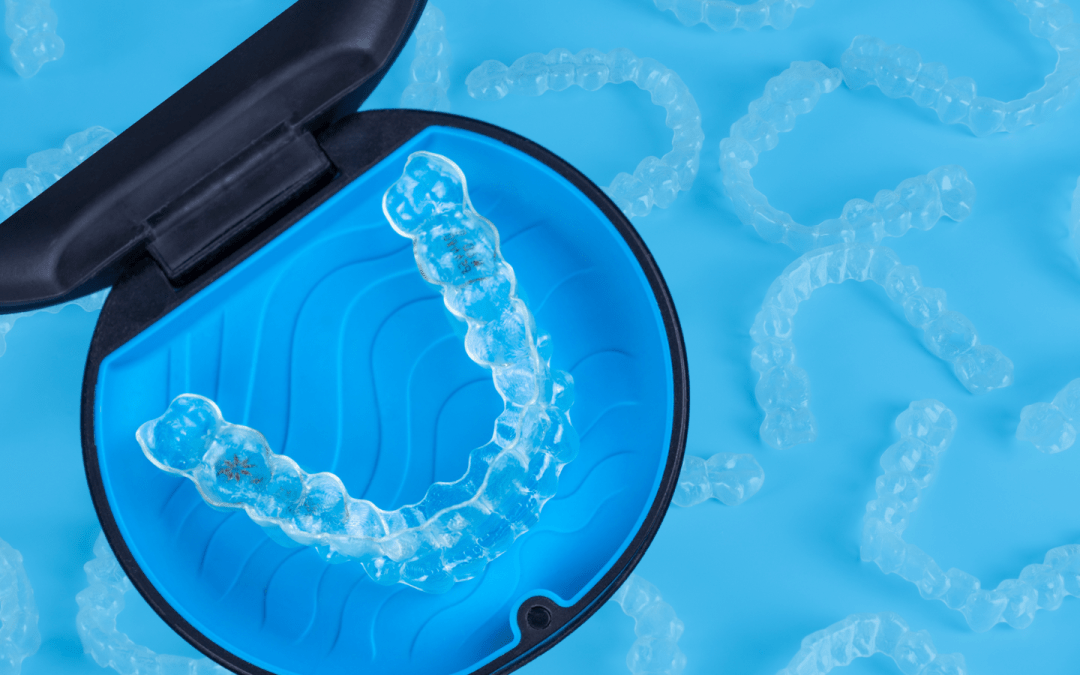
Invisalign aligners are clear, removable, and custom-made to gradually move teeth into proper alignment without the appearance of traditional braces. For many adults and older teens, the ability to straighten teeth more discreetly can be especially appealing.
Can You Actually Switch Midway Through Treatment?
Yes, in many situations you can.
Patients often assume they must complete their entire orthodontic treatment using the same system they started with, but that is not always the case. If your teeth have already achieved certain corrections with braces, Invisalign may be able to complete the remaining tooth movements effectively.
At Sunny Dental Care, we evaluate each case individually to determine whether Invisalign can successfully continue and complete your treatment goals.
What Determines If You Can Switch?
Not every orthodontic case is the same. Some patients are ideal candidates for transitioning to Invisalign, while others may benefit from remaining in braces until treatment is complete.
Several factors are considered before making the switch, including:
- Current alignment progress
- Severity of bite issues
- Remaining tooth movement needed
- Jaw alignment
- Tooth rotation complexity
- Overall oral health
- Patient commitment to wearing aligners consistently
A detailed orthodontic evaluation helps determine whether Invisalign can effectively complete the remaining stages of treatment.
How Does the Switching Process Work?
Transitioning from braces to Invisalign involves multiple steps to ensure treatment continues smoothly.
Orthodontic Evaluation
The first step is a comprehensive assessment of your teeth, bite, and treatment progress. Your dentist will review how much correction has already been completed and determine whether Invisalign is appropriate for the remaining movements. This evaluation may include:
- Digital scans
- Dental X-rays
- Bite analysis
- Clinical examination
- Photographs of your teeth
Removal of Braces
If Invisalign is recommended, the brackets and wires are carefully removed from the teeth. The teeth are then polished and cleaned thoroughly before digital impressions are taken.
Digital Treatment Planning
Advanced digital technology is used to create a customized Invisalign treatment plan. A 3D model of your teeth allows your dentist to map out the remaining tooth movements in detail. This planning process helps ensure predictable and accurate results.
Fabrication of Invisalign Aligners
Once the treatment plan is finalized, a series of custom aligners is created specifically for your smile. Each aligner gradually moves the teeth closer to their ideal position. Patients typically switch to a new set of aligners every one to two weeks.
What Types of Cases Can Successfully Switch?
Many orthodontic cases can transition successfully from braces to Invisalign, especially when braces have already completed more complex movements early in treatment.
Common cases that may switch successfully include:
- Mild to moderate crowding
- Spacing issues
- Cosmetic alignment corrections
- Minor bite adjustments
- Alignment refinements
- Teeth straightening after initial brace correction
Every patient is different, which is why individualized evaluation is so important.
Are There Cases Where Braces May Still Be Better?
Yes.
Although Invisalign is highly advanced and effective for many orthodontic concerns, some severe or complex cases may still require braces for optimal control.
Examples may include:
- Significant jaw discrepancies
- Severe bite misalignment
- Large tooth rotations
- Extensive tooth movement requirements
- Complex orthodontic corrections
In these situations, remaining in braces may provide more efficient and predictable results.
Benefits of Switching to Invisalign
For eligible patients, Invisalign offers several advantages that can make orthodontic treatment more comfortable and convenient.
More Discreet Appearance
One of the biggest benefits is the nearly invisible appearance of Invisalign aligners. Many patients feel more confident smiling, speaking, and socializing without noticeable metal brackets.
Easier Oral Hygiene
Braces can make brushing and flossing more difficult because food and plaque can accumulate around brackets and wires. Since Invisalign aligners are removable, patients can brush and floss normally, helping maintain better oral hygiene throughout treatment.
Greater Comfort
Traditional braces may sometimes irritate the cheeks, lips, and gums due to metal components. Invisalign aligners are made from smooth plastic material, which many patients find more comfortable.
No Food Restrictions
With braces, certain foods such as popcorn, sticky candy, nuts, and hard foods often need to be avoided. Invisalign aligners are removed while eating, allowing patients to continue enjoying their favorite foods without damaging orthodontic appliances.
Flexibility for Daily Life
Patients often appreciate the flexibility Invisalign provides during:
- Work meetings
- Social events
- Sports activities
- Special occasions
- Professional settings
The removable design allows greater convenience while maintaining treatment progress.
What Are the Responsibilities with Invisalign?
While Invisalign offers convenience, treatment success depends heavily on patient compliance. Aligners must generally be worn for 20 to 22 hours per day.
They should only be removed for:
- Eating
- Drinking anything other than water
- Brushing
- Flossing
Patients who do not wear their aligners consistently may experience delayed treatment or less predictable results.
Will Switching Make Treatment Take Longer?
Not necessarily.
In many cases, transitioning to Invisalign does not significantly increase overall treatment time. However, treatment duration depends on factors such as:
- Remaining tooth movement
- Patient compliance
- Complexity of corrections
- Consistency with aligner wear
Following instructions carefully helps keep treatment on track.
How Much Does It Cost to Switch from Braces to Invisalign?
The cost varies depending on the complexity of the remaining treatment and the number of aligners required.
Factors that may affect cost include:
- Remaining treatment length
- Additional digital scans
- Custom aligner fabrication
- Complexity of tooth movement
A consultation at Sunny Dental Care can provide a personalized estimate based on your specific orthodontic needs.
How Do You Know If Invisalign Is Right for You?
The best way to determine whether switching is possible is through a professional orthodontic evaluation.
At Sunny Dental Care, we carefully assess your smile, current treatment progress, and long-term goals to determine whether Invisalign can successfully complete your orthodontic treatment. Our team creates personalized treatment plans designed to provide healthy, beautiful, and lasting results while helping patients choose the option that best fits their lifestyle.
Final Thoughts
Switching from braces to Invisalign midway through treatment is possible for many patients and can offer significant benefits in terms of comfort, appearance, and convenience. However, every orthodontic case is unique, and the decision should be based on a thorough professional evaluation.
If you are considering transitioning to Invisalign, consulting with an experienced dental provider can help you understand your options and determine the best path forward for your smile. At Sunny Dental Care, we are committed to helping patients achieve straighter, healthier smiles through customized orthodontic solutions tailored to their individual needs.
Frequently Asked Questions
Q: Can I switch from braces to Invisalign before my treatment is finished?
A: Yes. Many patients can successfully transition from braces to Invisalign during treatment, depending on the complexity of their remaining tooth movements.
Q: Will my braces need to be removed before starting Invisalign?
A: Yes. Your braces must be removed before digital scans are taken and custom Invisalign aligners are created.
Q: Is Invisalign as effective as braces after switching?
A: Invisalign can be highly effective for many mild to moderate orthodontic corrections. Your dentist will determine whether it is suitable for completing your treatment.
Q: How long do Invisalign aligners need to be worn each day?
A: Invisalign aligners are typically worn for 20 to 22 hours daily to ensure proper tooth movement and treatment progress.
Q: Does switching to Invisalign make orthodontic treatment more comfortable?
A: Many patients find Invisalign more comfortable because the aligners do not contain metal brackets or wires that may irritate the cheeks and gums.
Recent Comments