

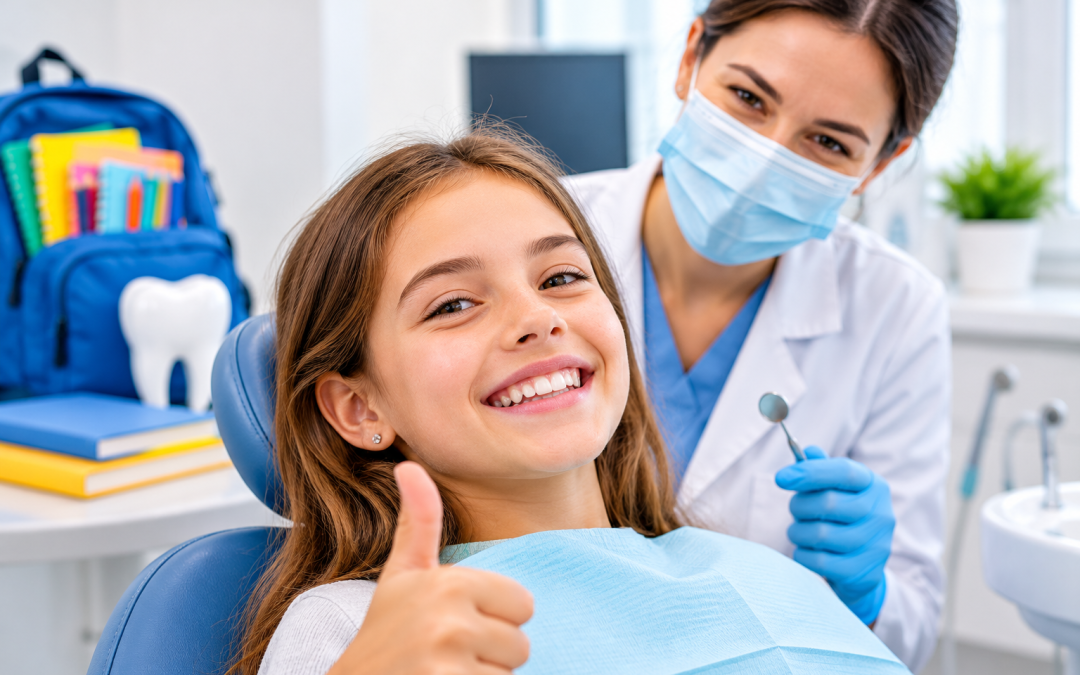
September often marks a return to structured routines. School schedules begin again, extracurricular activities pick up, and families settle back into regular morning and evening habits. While organizing school supplies and adjusting sleep schedules may be at the top of the list, there is another routine worth putting back on the calendar: a dental check-up.
The start of the school year can be a convenient time to make sure children’s and teenagers’ teeth and gums are healthy before a busy academic schedule takes over. A routine dental examination can help identify developing problems early, provide personalized preventive advice, and give parents an opportunity to address concerns before they interfere with school, meals, or daily activities.
At Sunny Dental Care, Dr. Wonseok Jang provides comprehensive dental examinations designed around each patient’s individual oral health needs. A September appointment can be a practical way to start the new school season with oral health back on track.
Why Is September a Good Time for a Dental Check-Up?
The beginning of the school year provides a natural opportunity to reset routines. During the summer, dental appointments can easily get pushed aside because of holidays, travel, camps, and changing schedules.
Once September arrives, families often return to more predictable routines. Booking a dental check-up at this point can help identify any concerns that may have developed during the summer and address them before they become more disruptive.
A dental check-up can include an assessment of:
- Teeth for signs of cavities or enamel damage
- Gums for inflammation or other changes
- Existing fillings, crowns, or other dental restorations
- Bite and tooth alignment
- Oral hygiene habits
- Any areas causing pain, sensitivity, or discomfort
You can learn more about Sunny Dental Care’s approach to general dental care and preventive treatment.
What Can a Dental Check-Up Detect Early?
Some dental problems can develop without causing noticeable symptoms in their early stages. A child may continue eating, studying, and participating in activities without realizing that a cavity or gum problem is developing.
During an examination, your dentist may identify:
- Early tooth decay
- Enamel wear or damage
- Gum inflammation
- Problems with existing dental restorations
- Tooth eruption concerns
- Changes in the bite
- Areas that may require closer monitoring
Finding these concerns early can allow appropriate treatment or preventive measures to be considered before the problem becomes more complicated.
If your child has signs of gum inflammation, learning more about gum disease treatment can also help you understand the available approach to periodontal care.
Back-to-School Routines Can Affect Oral Health
A new school year often means a major change in daily habits. Children and teenagers may start eating breakfast earlier, carrying packed lunches, buying snacks at school, or participating in sports and after-school activities.
These changes can influence oral hygiene and dietary habits.
For example, busy mornings may lead to rushed brushing, while frequent snacking throughout the school day can increase the number of times teeth are exposed to sugars and acids.
A dental visit provides an opportunity to review practical habits such as:
- Brushing twice a day with fluoride toothpaste
- Cleaning between teeth regularly
- Choosing tooth-friendly snacks when possible
- Drinking water throughout the day
- Limiting frequent sugary drinks and snacks
- Wearing appropriate mouth protection during contact sports
Small adjustments can make daily oral care easier to maintain once the school year becomes busy.
Why Should Children Have Regular Dental Examinations?
Children’s mouths are constantly changing as their teeth develop, erupt, and eventually transition from primary to permanent teeth. Regular dental examinations allow your dentist to monitor these changes over time.
A child’s dental visit may help assess:
- The development and eruption of permanent teeth
- Oral hygiene effectiveness
- Early signs of tooth decay
- Gum health
- Bite development
- Habits that may affect oral health
- The need for preventive treatments when appropriate
Regular visits also help children become familiar with the dental environment. Building a positive relationship with dental care from an early age can make routine appointments a normal part of maintaining their health.
For families visiting Sunny Dental Care for the first time, the new patient information page provides additional information about getting started with care.
What About Teenagers?
Teenagers have their own set of oral health considerations. School, social activities, sports, orthodontic treatment, and changing dietary habits can all influence their dental routine.
Teenagers may also be more likely to consume energy drinks, soft drinks, sports drinks, or convenient snacks during busy days. Frequent exposure to acidic or sugary beverages can contribute to enamel erosion and tooth decay.
A September dental check-up can provide an opportunity to discuss:
- Brushing and interdental cleaning
- Dietary habits
- Sports mouthguards
- Orthodontic care
- Wisdom tooth development
- Tooth sensitivity
- Enamel erosion
- Any changes in the appearance or comfort of the teeth
If your teenager is experiencing discomfort around the back teeth or has concerns about developing third molars, Sunny Dental Care also provides wisdom teeth removal and oral surgery care.
Why Dental Check-Ups Matter Before a Busy School Year
A toothache or dental infection can make it difficult for a student to concentrate in class, sleep comfortably, participate in activities, or keep up with schoolwork.
Taking care of dental concerns early may reduce the likelihood of an unexpected problem interrupting the school term.
This is particularly useful for families with busy schedules. Addressing a small concern during a planned appointment can be easier than trying to arrange an urgent dental visit in the middle of an important school week.
Should Adults Book a September Dental Check-Up Too?
Absolutely. September is not only a useful time for children and teenagers to review their oral health. Adults can also benefit from using the return to routine as a reminder to schedule overdue dental care.
Parents often prioritize their children’s appointments while postponing their own. However, maintaining regular dental examinations is important for adults as well.
An adult dental check-up can help monitor:
- Tooth decay
- Gum health
- Existing restorations
- Tooth sensitivity
- Enamel wear
- Changes in the mouth
- Other oral health concerns
If your last dental examination was several months ago, September can be a convenient time to put your own appointment back on the calendar.
How Can You Prepare for a Back-to-School Dental Visit?
There is no complicated preparation required for most routine dental check-ups. However, it can help to make a note of any changes you or your child has noticed since the previous visit.
Before your appointment, consider whether there has been:
- Tooth pain or sensitivity
- Bleeding while brushing
- Difficulty chewing
- Changes in tooth color
- Increased bad breath
- A chipped or damaged tooth
- Problems with a dental appliance
- Any concern about tooth eruption or alignment
Sharing these details with your dentist can help guide the examination and discussion.
Make Oral Health Part of the New School-Year Routine
The start of a new school year is about more than new books, timetables, and activities. It is also a useful opportunity to revisit everyday health routines that can easily become inconsistent during the summer.
A dental check-up in September can help identify potential concerns, reinforce healthy habits, and provide an opportunity to discuss preventive care for the months ahead.
At Sunny Dental Care, Dr. Wonseok Jang takes a personalized approach to dental examinations for patients of different ages. Whether your child needs a routine check-up before the school year gets busy or you have postponed your own dental visit, September can be a practical time to get back on track.
Schedule your dental appointment at Sunny Dental Care in Lower Manhattan today. We proudly welcome patients from SoHo, Tribeca, Greenwich Village, and surrounding areas, with Sunday appointments available for added convenience.
Frequently Asked Questions
How often should my child have a dental check-up?
The recommended frequency depends on your child’s oral health, dental history, risk factors, and individual needs. Many children benefit from regular dental visits throughout the year, but your dentist can recommend an appropriate schedule based on their specific circumstances.
Should my teenager have a dental check-up before school starts?
A back-to-school dental appointment can be a convenient opportunity to assess your teenager’s teeth and gums before their academic and extracurricular schedule becomes busy. It can also provide an opportunity to discuss oral hygiene, diet, sports mouthguards, orthodontic treatment, and wisdom teeth when relevant.
What should I do if my child has a toothache during the school year?
A persistent toothache should be evaluated by a dentist rather than ignored. Tooth pain can have several causes, including decay, infection, trauma, or problems involving an erupting tooth. Contact your dental practice to arrange an evaluation, particularly if pain is accompanied by swelling, fever, or difficulty eating.
Are dental check-ups important even if my child has no tooth pain?
Yes. Some dental problems may not cause noticeable symptoms in their early stages. Regular examinations allow your dentist to monitor developing teeth, check the gums, assess oral hygiene, and identify concerns that may not yet be causing discomfort.
What can my child do every day to protect their teeth during the school year?
Encourage your child to brush twice daily with fluoride toothpaste, clean between their teeth regularly, drink water throughout the day, and limit frequent sugary snacks and drinks. Children who participate in contact sports should also use an appropriately fitted mouthguard when recommended.
Recent Comments