

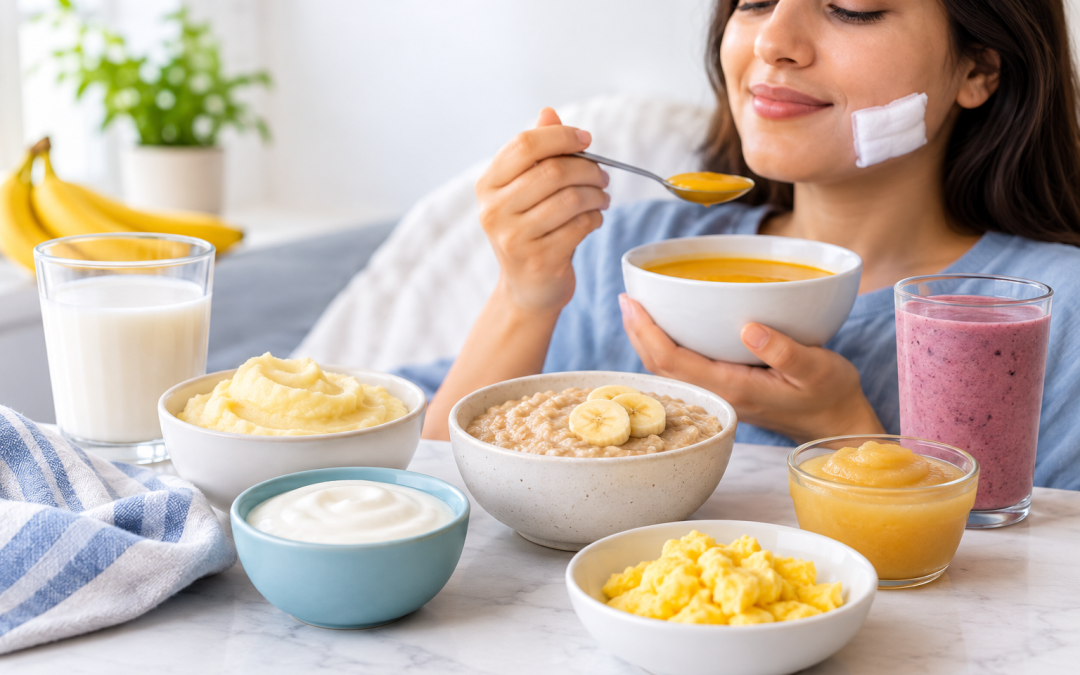
After oral surgery, eating may feel different for a few days. Your mouth may be tender, and chewing can be uncomfortable depending on the procedure you have undergone. Choosing suitable foods during recovery can help you stay nourished while avoiding unnecessary pressure on the surgical area.
Whether you have had a tooth extraction, wisdom tooth removal, or another oral surgical procedure, your recovery instructions will depend on the type of surgery and your individual needs. Dr. Changmin Richard Yim, a board-certified oral and maxillofacial surgeon, can explain what to expect after your procedure and how to care for the surgical area.
At Sunny Dental Care, patients from SoHo, Tribeca, and surrounding Manhattan neighborhoods can discuss oral surgery and post-operative care. Here is a practical guide to choosing foods after oral surgery.
Why Does Your Diet Matter After Oral Surgery?
Following oral surgery, the tissues around the treatment area need time to heal. Eating foods that are too hard, crunchy, sticky, or hot may irritate the area or disturb the healing process.
A suitable diet can help you:
- Maintain adequate nutrition while chewing is uncomfortable.
- Avoid unnecessary pressure on the surgical site.
- Reduce irritation from hard or sharp food particles.
- Stay hydrated during recovery.
- Make eating more manageable during the first few days.
Our oral surgeon’s instructions should always take priority over general dietary recommendations. The appropriate diet and timeline will vary depending on the procedure.
What to Eat Immediately After Oral Surgery
Your dentist or oral surgeon will tell you when you can start eating and drinking. In many cases, soft and cool or lukewarm foods are recommended once it is safe to eat.
Dr. Yim can provide post-operative dietary instructions based on the type of oral surgery performed. Here are some food options that may be suitable, depending on your recovery instructions.
1. Yogurt
Plain, smooth yogurt is easy to eat and does not require chewing. It can also provide protein and calcium.
Choose varieties without nuts, seeds, granola, or crunchy toppings that could irritate the surgical area.
2. Applesauce
Applesauce has a smooth consistency and is easy to consume without much chewing. It can be a convenient option during the early stages of recovery.
Choose a smooth variety without added seeds or hard pieces.
3. Mashed Potatoes
Mashed potatoes are soft and filling. They can be a useful meal option once you are allowed to eat soft foods.
Allow them to cool to a comfortable temperature before eating. Avoid crunchy toppings or ingredients that may irritate the surgical area.
4. Smooth Soups
Blended soups can provide fluids and nutrients without requiring much chewing. Options such as pumpkin, carrot, or smooth vegetable soup may be suitable.
Avoid consuming very hot soup, particularly during the early recovery period. Do not use a straw unless our oral surgeon specifically says it is safe.
5. Scrambled Eggs
Soft scrambled eggs provide protein and are generally easy to chew. They may be suitable as you gradually return to a more varied soft-food diet.
Prepare them with a soft texture and avoid adding ingredients that require extensive chewing.
6. Smooth Oatmeal
Well-cooked oatmeal can be a comforting breakfast option. Make sure it is soft and not too hot.
Avoid adding nuts, seeds, or other hard toppings until our oral surgeon confirms that you can return to these foods.
What to Eat During the Following Days
As your comfort improves, you may be able to introduce a wider range of soft foods. The timing depends on the type of surgery and your healing progress.
Some options include:
- Soft pasta cooked until tender.
- Flaky fish without bones.
- Soft rice, if it does not become trapped around the surgical site.
- Steamed vegetables cooked until very soft.
- Cottage cheese.
- Smooth smoothies eaten with a spoon, if permitted.
- Soft pancakes without hard toppings.
Introduce foods gradually. If chewing causes pain or discomfort around the surgical area, return to softer options and follow up with your dental team if symptoms persist.
Dr. Yim can advise you on when to gradually reintroduce firmer foods based on your procedure and recovery progress.
Foods to Avoid After Oral Surgery
Certain foods may irritate the surgical site, become trapped in the wound, or place unnecessary pressure on the healing tissues.
Depending on your procedure, you may need to avoid:
1. Hard and Crunchy Foods
Chips, nuts, popcorn, crackers, and hard biscuits may irritate the surgical area or become lodged near the wound.
2. Sticky and Chewy Foods
Caramel, chewing gum, taffy, and other chewy candy may be difficult to manage and can place additional strain on the area.
3. Spicy Foods
Spicy foods may cause irritation or discomfort, especially when the tissues are still sensitive.
4. Very Hot Foods and Drinks
Very hot foods and beverages may increase discomfort during early recovery. Allow food to cool before eating.
5. Foods With Small Seeds or Sharp Pieces
Seeds, grains, and small hard food particles may become trapped near the surgical site. Follow our oral surgeon’s advice about when these foods can be reintroduced.
6. Alcohol
Avoid alcohol during the period recommended by our oral surgeon. It may interfere with recovery and can interact with prescribed medication.
A Simple Meal Plan After Oral Surgery
Planning meals in advance can make recovery easier. The following is a general example of soft-food choices. Our oral surgeon may recommend a different plan depending on your procedure.
- Breakfast: Smooth oatmeal or soft scrambled eggs.
- Mid-morning snack: Plain yogurt or applesauce.
- Lunch: Lukewarm blended vegetable soup or mashed potatoes.
- Afternoon snack: Cottage cheese or a smooth pudding.
- Dinner: Soft pasta or flaky fish with well-cooked vegetables.
- Drinks: Water throughout the day, unless your healthcare provider has given you different fluid instructions.
Avoid using a straw after certain oral surgery procedures, particularly tooth extractions, unless our oral surgeon confirms that it is safe.
Additional Tips to Support Recovery
Your food choices are only one part of post-operative care. Following our oral surgeon’s instructions can help protect the surgical area while it heals.
Keep these points in mind:
- Follow your medication instructions: Take prescribed medication as directed.
- Stay hydrated: Drink water regularly, following any instructions about drinking or straws.
- Avoid smoking and vaping: These can interfere with healing and increase the risk of complications.
- Do not disturb the surgical area: Avoid touching the wound with your fingers or tongue.
- Follow oral hygiene instructions: Our oral surgeon will explain when and how to brush and clean around the treatment area.
- Attend follow-up appointments: These allow your dental team to check your healing progress.
Contact your dental team if you experience worsening pain, increasing swelling, fever, persistent bleeding, or other symptoms that concern you. Seek urgent care for severe or rapidly worsening symptoms, difficulty breathing, or difficulty swallowing.
Does Recovery Time Differ Between Oral Surgery Procedures?
Yes. Recovery depends on the procedure, the complexity of the surgery, and individual healing factors.
For example, recovery after a straightforward tooth extraction may differ from recovery following impacted wisdom tooth removal or more complex oral surgery.
You should not assume that you can return to your usual diet after a fixed number of days. Dr. Yim can advise when to gradually reintroduce firmer foods based on your healing progress and the type of procedure performed.
If you would like to understand the procedures available, visit Sunny Dental Care’s oral surgery page.
Frequently Asked Questions
How soon can I eat after oral surgery?
The timing depends on the procedure and the instructions provided by our oral surgeon. You may need to wait until the effects of anesthesia have worn off before eating. Once you are cleared to eat, start with soft foods and follow your post-operative instructions.
Can I drink coffee after oral surgery?
Very hot drinks may cause discomfort during early recovery. It is generally advisable to avoid hot beverages until our oral surgeon says they are suitable. Ask your dental team when you can safely return to your usual drinks.
Can I use a straw after a tooth extraction?
You may be advised to avoid straws after a tooth extraction because the suction can disturb the blood clot that forms in the socket. Follow our oral surgeon’s instructions about when it is safe to use a straw again.
How long should I eat soft foods after oral surgery?
There is no single timeline for every procedure. Some patients can gradually return to firmer foods sooner, while others need a longer period of soft foods. Our oral surgeon will advise you based on the procedure and your healing progress.
What should I do if food gets stuck near the surgical site?
Do not try to remove trapped food by poking the area with your fingers, tongue, or sharp objects. Follow the cleaning instructions provided by our oral surgeon. If the food remains trapped or you develop increasing discomfort, contact your dental team for advice.
Oral Surgery and Recovery Guidance at Sunny Dental Care in SoHo
Knowing what to eat after oral surgery can make recovery more manageable. Choosing soft foods, staying hydrated, and following post-operative instructions can help protect the surgical area as it heals.
At Sunny Dental Care, Dr. Changmin Richard Yim, a board-certified oral and maxillofacial surgeon and Diplomate of the American Board of Oral and Maxillofacial Surgery, provides oral surgery care. He is also an Assistant Professor at Rutgers School of Dental Medicine.
Dr. Yim can explain what to expect before and after your procedure, including dietary recommendations, oral hygiene instructions, and follow-up care. Patients from SoHo and nearby Tribeca can schedule a consultation to discuss their oral surgery needs and recovery questions.
Call Sunny Dental Care at (212) 842-5300 or book online at https://www.sunnydental.us/. Our office is located in SoHo, Manhattan, NY, serving patients from nearby Tribeca.
Recent Comments