

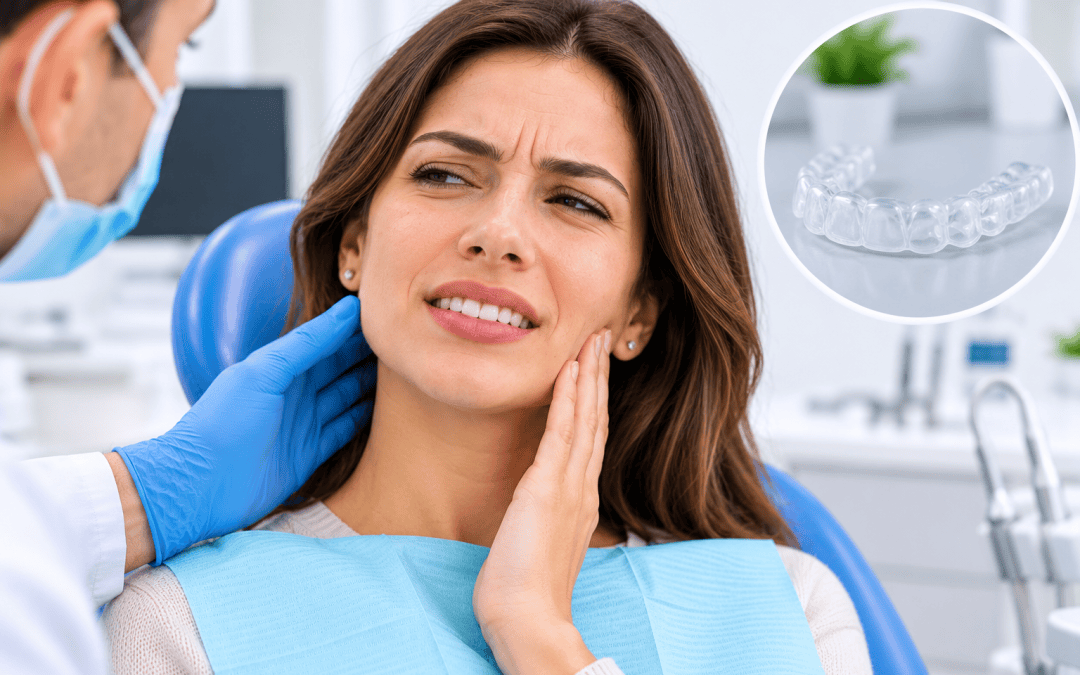
Jaw discomfort, clicking sounds, headaches, and teeth grinding can make everyday activities such as eating, speaking, and sleeping uncomfortable. In some cases, these symptoms may be associated with problems involving the temporomandibular joint (TMJ), which connects your lower jaw to your skull.
Temporomandibular disorders (TMD) can affect the jaw joints and the muscles responsible for controlling jaw movement. Symptoms may range from occasional discomfort to persistent pain that affects daily activities.
At Sunny Dental Care, patients from SoHo and nearby Tribeca can discuss jaw-related symptoms and possible treatment options. Understanding the causes and available approaches is an important first step toward managing discomfort.
What Is the Temporomandibular Joint (TMJ)?
The temporomandibular joints are located on either side of your face, just in front of your ears. They help your lower jaw move when you open and close your mouth, chew, yawn, and speak.
These joints work together with the surrounding muscles, ligaments, and other structures. When one or more of these structures are affected, you may develop a temporomandibular disorder.
The term TMJ refers to the joint itself, while TMD is commonly used to describe disorders affecting the joint and related muscles.
Common Symptoms of TMJ Disorders
TMJ-related symptoms can vary from person to person. Some people experience mild discomfort, while others may have recurring or persistent symptoms.
Common signs include:
- Jaw pain or tenderness: Discomfort around the jaw joint, cheeks, or temples.
- Clicking or popping sounds: Noises when opening or closing the mouth, sometimes accompanied by discomfort.
- Difficulty opening the mouth: A feeling of stiffness or restricted jaw movement.
- Headaches: Pain around the temples or forehead that may occur alongside jaw symptoms.
- Teeth grinding or clenching: Repeatedly pressing or rubbing the teeth together, particularly during sleep.
- Facial discomfort: Soreness in the muscles around the jaw and face.
Not every clicking jaw indicates a disorder requiring treatment. However, persistent pain, restricted movement, or symptoms that interfere with daily activities should be evaluated.
What Causes Jaw Clenching and Teeth Grinding?
Teeth grinding, also known as bruxism, involves grinding or clenching the teeth. It can occur while you are awake or asleep.
Several factors may contribute to bruxism and jaw muscle discomfort, including:
1. Stress and Anxiety
Stress may contribute to increased muscle tension and awake-time clenching. Some people may notice that they tighten their jaw without realizing it, especially during demanding tasks.
2. Sleep-Related Factors
Sleep bruxism occurs during sleep and may be associated with sleep-related arousals and other factors. A person may not be aware of grinding their teeth until a partner notices it or a dental professional identifies signs of tooth wear.
3. Muscle Overuse
Repeated clenching and grinding can place additional strain on the muscles involved in chewing. This may contribute to soreness, fatigue, and discomfort around the jaw.
4. Other Health and Lifestyle Factors
Certain medications, lifestyle habits, and underlying conditions may be associated with bruxism. An assessment can help evaluate jaw-related symptoms and determine whether further medical evaluation may be appropriate.
Treatment Options for TMJ-Related Symptoms
There is no single treatment that works for everyone with TMJ-related symptoms. The recommended approach depends on the cause, severity, and duration of the symptoms.
Treatment may involve conservative measures, dental appliances, medication, or selected procedures.
1. Specialized Occlusal Guards
An occlusal guard is a removable dental appliance designed to fit over the upper or lower teeth. It may be recommended for patients who clench or grind their teeth.
A professionally made occlusal guard is customized to the patient’s bite and dental anatomy. Depending on the design and individual needs, it may help:
- Protect teeth from excessive wear.
- Reduce direct contact between the upper and lower teeth.
- Provide a protective surface during episodes of grinding.
- Support the management of symptoms associated with clenching and grinding.
An occlusal guard does not necessarily stop the underlying grinding behavior or resolve every type of TMJ disorder. Dr. Changmin Richard Yim can assess whether a specialized occlusal guard is suitable for your symptoms and explain how it should be used.
2. Botox Treatment for Selected Patients
Botulinum toxin injections, commonly referred to as Botox, may be considered for certain patients with jaw muscle pain, clenching, or related symptoms.
When injected into selected muscles involved in jaw movement, botulinum toxin temporarily reduces muscle activity. This may help some patients experience a reduction in muscle-related discomfort or excessive clenching.
Dr. Changmin Richard Yim is a board-certified oral and maxillofacial surgeon and Diplomate of the American Board of Oral and Maxillofacial Surgery. He is also an Assistant Professor at Rutgers School of Dental Medicine. He provides Botox treatment for selected TMJ-related cases.
Botox is not appropriate for everyone and does not address every cause of TMJ pain. The potential benefits, limitations, risks, and suitability of treatment should be discussed during an individual assessment. Effects are temporary, and repeat treatment may be required if clinically appropriate.
3. Conservative Self-Care Measures
Some patients may benefit from simple measures that reduce strain on the jaw.
These may include:
- Choosing softer foods during periods of discomfort.
- Avoiding chewing gum and very hard or chewy foods.
- Being mindful of daytime clenching.
- Applying a warm compress to sore jaw muscles.
- Practicing relaxation techniques.
- Avoiding unnecessarily wide mouth opening when the jaw is painful.
These measures may help manage symptoms, but they should not replace an assessment when pain persists.
4. Medication and Other Treatments
Depending on the findings, Dr. Yim may discuss suitable treatment options or recommend further evaluation by another healthcare professional.
In some cases, medication may be considered to help manage pain or inflammation. Physical therapy and other conservative approaches may also be discussed, depending on the symptoms and underlying cause.
Medication should only be used according to professional advice, particularly if symptoms are recurring or you have other health conditions.
When Should You Seek an Evaluation for Jaw Pain?
Consider arranging an evaluation if you experience:
- Frequent jaw pain or tenderness.
- Difficulty opening or closing your mouth.
- Repeated headaches alongside jaw discomfort.
- Tooth sensitivity or visible signs of tooth wear.
- Persistent clenching or grinding.
- Jaw symptoms that interfere with eating or speaking.
Seek prompt medical or dental attention if your jaw becomes locked, you experience a sudden inability to open or close your mouth, or symptoms follow an injury.
A clicking sound without pain or restricted movement may not require treatment, but an assessment can help clarify what is happening.
What Happens During a TMJ Assessment?
Dr. Yim may ask about your symptoms, when they occur, and whether you notice grinding or clenching during the day or night.
The assessment may include:
- Reviewing your medical and dental history.
- Checking jaw movement and range of motion.
- Examining the jaw joints and surrounding muscles.
- Looking for signs of tooth wear or damage.
- Considering whether additional investigations or referrals are needed.
Based on the assessment, Dr. Yim can discuss appropriate management options and explain whether an occlusal guard, Botox treatment, conservative care, or further evaluation may be suitable.
Frequently Asked Questions
Can teeth grinding cause jaw pain?
Yes. Repeated clenching and grinding can place additional strain on the muscles responsible for chewing. This may contribute to jaw soreness, facial discomfort, headaches, and tooth wear.
What is an occlusal guard used for?
An occlusal guard is a removable dental appliance that fits over the teeth. It may help protect teeth from excessive wear caused by grinding and reduce direct contact between the upper and lower teeth. Dr. Yim can assess whether an occlusal guard or another approach may be appropriate based on your symptoms.
Can Botox help with TMJ-related jaw pain?
Botox may help selected patients with symptoms related to excessive jaw muscle activity. It temporarily reduces muscle activity in the treated area. However, it is not suitable for everyone and does not treat every cause of TMJ-related pain. Dr. Yim can discuss whether this treatment may be appropriate following an individual assessment.
Does jaw clicking always mean I have a TMJ disorder?
No. Jaw clicking or popping can occur without pain or restricted movement and does not always indicate a condition requiring treatment. If clicking is accompanied by pain, difficulty opening your mouth, or jaw locking, arrange an evaluation.
When should I seek help for teeth grinding?
Consider arranging an evaluation if you experience recurring jaw soreness, headaches, tooth sensitivity, visible tooth wear, or difficulty chewing. Dr. Yim can assess your symptoms and discuss whether an occlusal guard or another treatment approach may be appropriate.
TMJ-Related Care at Sunny Dental Care in SoHo
Jaw pain, clenching, and teeth grinding can have several contributing factors. Identifying the source of your symptoms helps determine whether a specialized occlusal guard, conservative care, Botox treatment, or another approach may be appropriate.
At Sunny Dental Care, Dr. Changmin Richard Yim, a board-certified oral and maxillofacial surgeon and Diplomate of the American Board of Oral and Maxillofacial Surgery, provides Botox treatment for selected patients with TMJ-related jaw pain and muscle concerns. He is also an Assistant Professor at Rutgers School of Dental Medicine. Patients from SoHo and nearby Tribeca can discuss their symptoms and available treatment options with the dental team.
Neither an occlusal guard nor Botox is suitable for every patient. An individual assessment is important to understand your symptoms and determine an appropriate approach.
Call Sunny Dental Care at (212) 842-5300 or book online at https://www.sunnydental.us/. Our office is located in SoHo, Manhattan, NY, serving patients from nearby Tribeca.
Recent Comments