

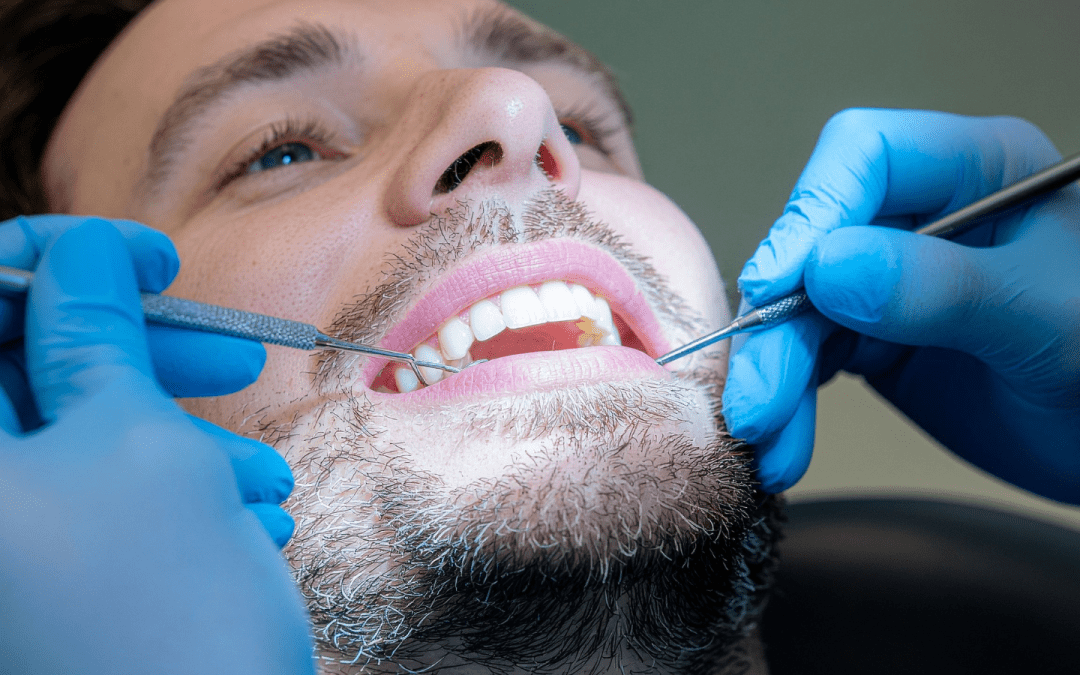
When most people visit the dentist, they expect their appointment to focus on teeth, gums, and oral health. However, a routine dental examination can sometimes reveal signs of a health condition that extends far beyond the mouth.
One condition that dentists may help identify is sleep apnea, a common but often undiagnosed sleep disorder that affects millions of adults. Many people live with sleep apnea for years without realizing it, attributing symptoms such as snoring, fatigue, or poor sleep quality to stress, aging, or a busy lifestyle.
At Sunny Dental Care, comprehensive dental examinations involve more than checking for cavities and gum disease. Dentists are often in a unique position to notice oral and physical signs that may suggest an underlying sleep-related breathing disorder.
Understanding the connection between dental health and sleep apnea can help patients seek appropriate evaluation and improve both their oral health and overall well-being.
What Is Sleep Apnea?
Sleep apnea is a condition that causes repeated interruptions in breathing during sleep. The most common form is obstructive sleep apnea (OSA), which occurs when the muscles and tissues in the back of the throat relax and temporarily block the airway.
These breathing interruptions can occur multiple times throughout the night, often without the individual being aware of them. Common symptoms of sleep apnea may include:
- Loud or chronic snoring
- Gasping or choking during sleep
- Excessive daytime fatigue
- Morning headaches
- Dry mouth upon waking
- Difficulty concentrating
- Poor sleep quality
- Irritability or mood changes
Because these symptoms often develop gradually, many individuals do not realize they may have a sleep disorder.
Why Sleep Apnea Often Goes Undiagnosed
Many people assume snoring is simply a normal part of sleeping. While occasional snoring may not be concerning, persistent loud snoring combined with fatigue or breathing interruptions can indicate a more serious issue.
Sleep apnea often remains undiagnosed because symptoms occur while sleeping and individuals may not remember waking during the night. Fatigue is frequently attributed to other lifestyle factors, and breathing interruptions may only be noticed by a bed partner. As a result, patients may continue living with untreated sleep apnea for years.
How Can a Dentist Identify Possible Signs of Sleep Apnea?
Dentists routinely examine the mouth, jaw, tongue, throat, and surrounding oral structures. Certain physical characteristics and oral health findings may suggest an increased risk for obstructive sleep apnea.
While dentists do not typically diagnose sleep apnea directly, they may identify warning signs during a routine checkup and recommend further evaluation by a medical professional.
Sign 1: Chronic Teeth Grinding
One of the most common oral signs associated with sleep apnea is teeth grinding, also known as bruxism. Research has shown that some individuals with sleep apnea may grind or clench their teeth during sleep as a subconscious mechanism to reopen a collapsing airway.
During a dental examination, signs of grinding may include:
- Flattened chewing surfaces
- Worn enamel and chipped teeth
- Tooth sensitivity
- Jaw discomfort or tightness
If you suspect you are clenching at night, a custom night guard for teeth grinding can help protect your smile while you explore potential underlying respiratory causes.
Sign 2: A Small or Narrow Airway
Dentists often examine the anatomy of the mouth and throat during routine visits. Some patients may naturally have visual indicators like a narrow airway, enlarged tongue tissues, enlarged tonsils, a low soft palate, or limited space at the back of the throat. These anatomical features inherently increase the likelihood of airway obstruction during sleep.
Sign 3: Jaw Alignment Concerns
The position of the jaw can sometimes influence airway space. For example, a recessed lower jaw may reduce the amount of room available for the airway, increasing the risk of airway collapse during sleep. During an examination, dentists evaluate jaw structure and bite relationships that could contribute to breathing difficulties.
Sign 4: Dry Mouth and Mouth Breathing
Patients with sleep apnea often breathe through their mouths during sleep. This chronic mouth breathing can result in symptoms such as:
- Dry mouth upon waking
- Increased plaque accumulation
- Chronic bad breath
- Higher cavity risk
- Gum irritation and inflammation
Frequent dry mouth without an obvious cause may prompt further discussion about sleep habits and breathing patterns during your regular dental exam and cleaning.
Sign 5: Signs Reported During Your Dental Visit
Sometimes the most important clues come from the patient’s own experiences. Dentists may ask questions about snoring, daytime fatigue, morning headaches, jaw soreness, or grinding habits. When these symptoms are combined with physical findings, they may indicate the need for additional medical evaluation.
Why Identifying Sleep Apnea Matters
Sleep apnea affects much more than sleep quality. Untreated sleep apnea has been associated with an increased risk of serious systemic issues, including high blood pressure, cardiovascular problems, stroke, and reduced concentration leading to workplace or driving accidents. Early identification can significantly improve long-term health outcomes.
What Happens If Your Dentist Suspects Sleep Apnea?
If your dentist notices signs that may indicate sleep apnea, they will typically recommend a medical evaluation. Only a qualified medical provider or sleep physician can formally diagnose sleep apnea through a clinical sleep study or home sleep testing. However, dental professionals often play an important role in helping patients recognize symptoms they may have otherwise overlooked.
Can Dentists Help Treat Sleep Apnea?
For some patients diagnosed with mild to moderate obstructive sleep apnea, dentists work alongside sleep physicians as part of the treatment process.
One highly effective dental option is a custom sleep apnea oral appliance. These specialized devices are designed to:
- Support the jaw in a comfortable, forward position
- Help maintain a continuously open airway
- Reduce airway obstruction and snoring during sleep
Treatment recommendations vary based on the severity of the condition and individual patient needs.
The Importance of Comprehensive Dental Examinations
Dental visits provide valuable opportunities to identify concerns that extend far beyond cavities. Because dentists regularly evaluate oral structures that influence breathing and airway function, they may notice warning signs of sleep apnea before a patient seeks medical attention.
Under the leadership of Dr. Wonseok Jang, the team at Sunny Dental Care takes a comprehensive approach to patient care, evaluating both oral health and factors that may affect overall wellness.
Conclusion
Sleep apnea is a common condition that often goes undiagnosed for years. While many people associate diagnosis strictly with sleep specialists, dentists are frequently among the first healthcare professionals to notice warning signs during routine examinations.
If you experience chronic snoring, daytime fatigue, or teeth grinding, discussing them during your next dental visit may be an important first step toward better health. At Sunny Dental Care, we are committed to providing comprehensive dental care that supports both oral health and overall well-being for patients throughout SoHo, Tribeca, Greenwich Village, and Lower Manhattan. If it’s time for your checkup, schedule an appointment with us today.
Frequently Asked Questions
Q: Can a dentist diagnose sleep apnea?
A: Dentists cannot typically provide a formal medical diagnosis of sleep apnea. However, they can identify signs and symptoms that suggest a sleep-related breathing disorder and recommend further evaluation by a sleep physician.
Q: Why would a dentist look for signs of sleep apnea?
A: Dentists routinely examine oral structures that can influence airway function. Certain findings, such as teeth grinding, airway narrowing, and chronic dry mouth, may indicate an increased risk of sleep apnea.
Q: Is snoring always a sign of sleep apnea?
A: Not necessarily. However, loud, chronic snoring combined with daytime fatigue, gasping for air, or poor sleep quality strongly warrants further medical evaluation.
Q: Can sleep apnea affect my oral health?
A: Yes. Sleep apnea often contributes to chronic teeth grinding, severe dry mouth, an increased risk of cavities, gum problems, and jaw discomfort.
Q: What should I do if my dentist suggests I may have sleep apnea?
A: Follow up with a qualified healthcare provider or sleep specialist for a comprehensive evaluation. If you are diagnosed with mild to moderate OSA, contact Sunny Dental Care to discuss custom oral appliance therapy options.
Recent Comments