

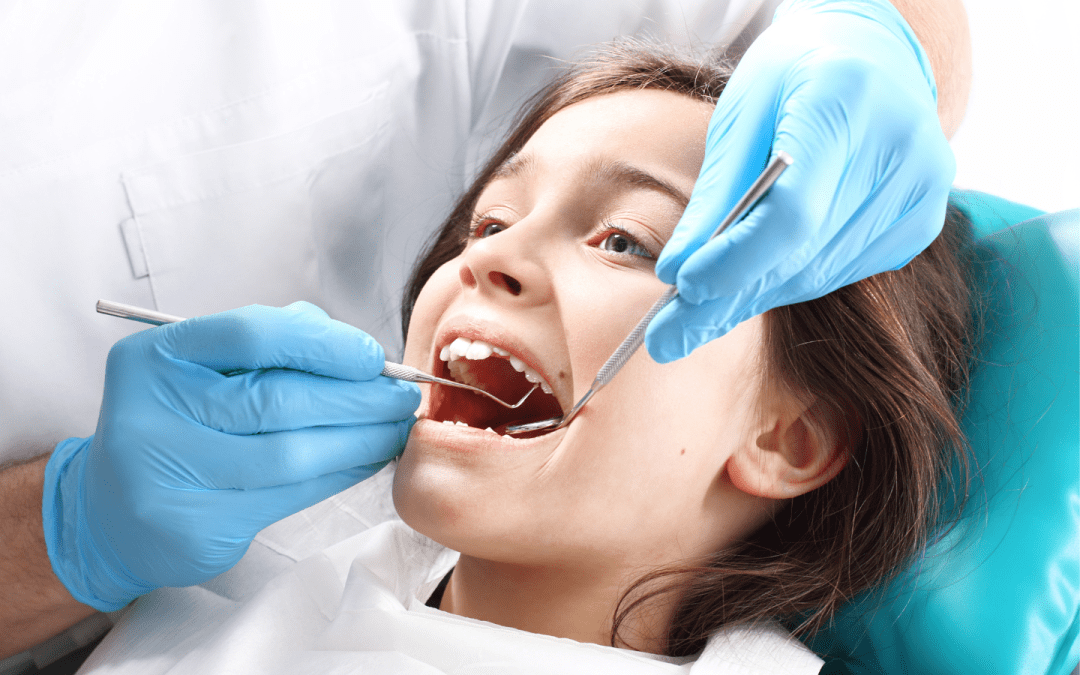
When most people think about dental problems, they often associate them with pain. A toothache, sensitivity, or swelling usually signals that something is wrong and needs attention. However, gum disease is different.
One of the biggest challenges with gum disease is that it often develops quietly. Many patients experience few or no noticeable symptoms in the early stages, allowing the condition to progress without realizing there is a problem. At Sunny Dental Care, we frequently see patients who are surprised to learn they have gum disease because they were not experiencing significant discomfort. Understanding the early warning signs can help you seek preventive treatment sooner and protect your long-term oral health.
What Is Gum Disease?
Gum disease, also known as periodontal disease, is an infection and inflammation of the tissues that support your teeth. It begins when plaque, a sticky film of bacteria, accumulates along the gumline. If plaque is not removed through regular brushing, flossing, and professional cleanings, it can harden into tartar and irritate the gums.
Gum disease typically develops in stages:
- Gingivitis: The earliest stage involving gum inflammation.
- Periodontitis: A more advanced stage that can affect the bone and tissues supporting the teeth.
Why Gum Disease Often Goes Unnoticed
Unlike many dental conditions, gum disease does not always cause immediate pain. The early stages can progress gradually, and symptoms may seem minor enough to ignore. Because of this, routine dental examinations play an important role in identifying gum disease before significant damage occurs.
7 Early Warning Signs to Watch For
- Bleeding Gums: Healthy gums should not bleed during brushing or flossing.
- Persistent Bad Breath: Chronic odors that don’t improve with mouthwash often indicate bacteria below the gumline.
- Red or Swollen Gums: Inflammation is a clear sign that your gums require professional attention.
- Receding Gums: Teeth that appear “longer” may be suffering from tissue loss associated with gum disease.
- Increased Sensitivity: Exposed root surfaces can become hypersensitive to hot or cold temperatures.
- Bite Changes: If your teeth feel different or gaps begin to develop, it could signal bone support loss.
- Loose Teeth: Any mobility in adult teeth should be evaluated immediately.
Who Is at Greater Risk?
Although anyone can develop gum disease, certain factors may increase risk, including:
- Inconsistent oral hygiene habits
- Smoking or tobacco use
- Diabetes or dry mouth
- Family history
- Infrequent professional dental visits
How We Detect and Prevent Gum Disease
Many early signs are not visible to the naked eye at home. During your visit, we perform a thorough periodontal assessment, which may include digital dental X-rays to check bone levels and pocket depth.
Consistent preventive care, including brushing twice daily, daily flossing, and regular cleanings, is the most effective way to reduce your risk. If you notice any of the warning signs listed above, scheduling an evaluation is the best way to prevent long-term complications like bone loss or tooth mobility.
At Sunny Dental Care, we are committed to helping patients throughout SoHo, Tribeca, Greenwich Village, and Lower Manhattan maintain healthy gums and confident smiles. Book your dental checkup today; we are open on Sundays for your convenience.
Frequently Asked Questions
Q: Can I have gum disease without pain?
A: Yes. Many patients experience little or no pain during the early stages of gum disease, which is why routine dental examinations are essential for early detection.
Q: Are bleeding gums always a sign of gum disease?
A: Bleeding gums indicate inflammation and should not be ignored. Please contact our office to have persistent bleeding professionally evaluated.
Q: Can gum disease be reversed?
A: The earliest stage, gingivitis, can often be reversed with professional treatment and improved oral hygiene. Advanced stages require ongoing management to protect your periodontal health.
Q: How often should I have my gums checked?
A: We typically recommend professional cleanings and exams every six months, though patients with a history of gum disease may need more frequent visits.
Q: What should I do if I notice gum recession?
A: Schedule a dental evaluation as soon as possible. Early assessment helps us determine the cause and the most appropriate treatment plan to preserve your smile.
Recent Comments